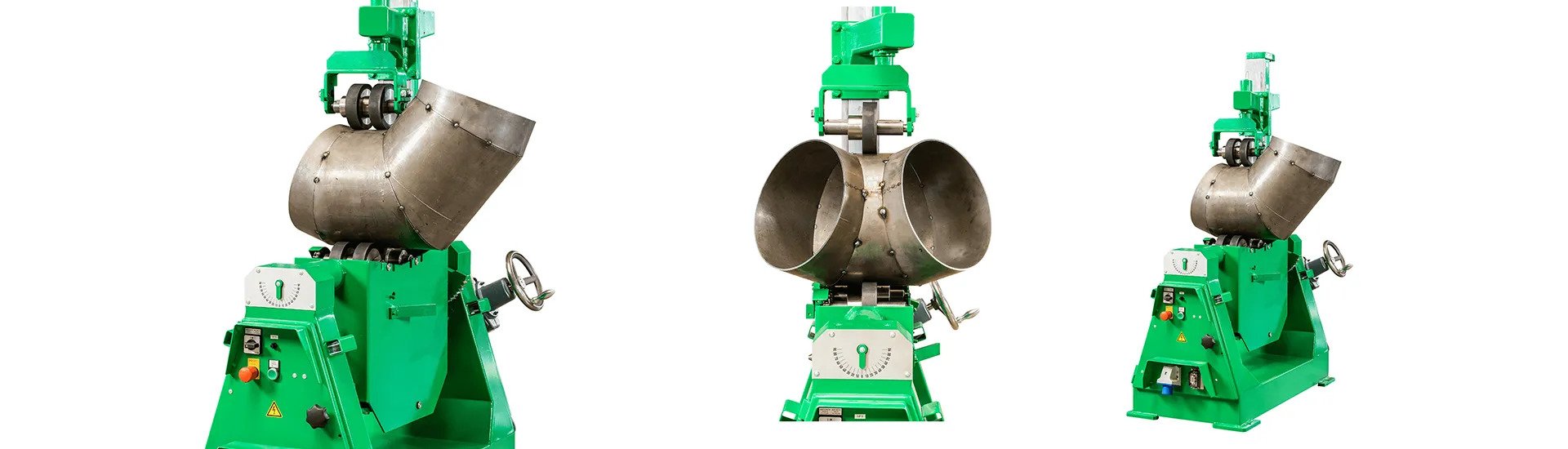
Pipe Tilting Rotator Parts
A pipe rotator is among important machines in welding and fabrication shops. The machinery is used for the rotation of pipes or other cylindrical workpieces to enable welding, inspection, and assembly procedures. Below are the various parts that make up a pipe rotator:
Roller Beds or Wheels
These are the major elements that come into direct contact with the work. The pipe rests on roller beds, which allow for its smooth rotation. They may be constructed of steel, rubber, or polyurethane to handle various types of workpieces without causing damage.
Frame and Base
The frame provides structural support for the rotator by housing the roller beds amongst other parts. The base of any machine is designed to provide stability during operation; hence, it is often fitted with options for mounting or feet for anchoring it to the floor.
Motor and Gearbox
The gearbox coupled with a motor is used for imparting power at reduced speed to the roller beds. Essentially, electric, hydraulic, or pneumatic motors are used as per the design and requirement of the rotator.
Control Panel
This includes the switches, knobs, or touchscreen interface by which the functions of the rotator are activated, and these include turning it on or off, the rotation speed, and sometimes even the tilt of the workpiece. Advanced models may include programmable logic controllers so they better control this process.
Operating Foot Pedal
Some pipe rotators have a foot pedal for hands-free operation. This allows the operator to start and stop it, and vary the speed of rotation while keeping their hands free to weld or carry out an inspection task.
Tilt Mechanism
In tilting models, a mechanism provided (that may be a manual, pneumatic, or hydraulic type) allows the operator to change the angle of the workpiece. This allows for easy welding at different angles with no physical repositioning of the workpieces.
Adjusting Mechanisms
These mechanisms enable adjustment of the roller beds or wheels in order to accommodate different diameters of pipes. In various models, this can be either manual or motorized .
Safety Features
Pipe rotators can integrate a number of integrated safety features, depending on the design, such as emergency stop buttons, lockout, and guards that may protect the operator or ensure safe operation of the system.
Accessories and Attachments
There are several ancillary components that one could add to a pipe rotator to extend its functionality, such as supports for longer pipes, custom rollers for special applications, and interfaces for integrating these into automated welding systems.